Baker Hot Springs Nevada — Your Complete Desert Soak Guide for 2025
- August 15, 2026
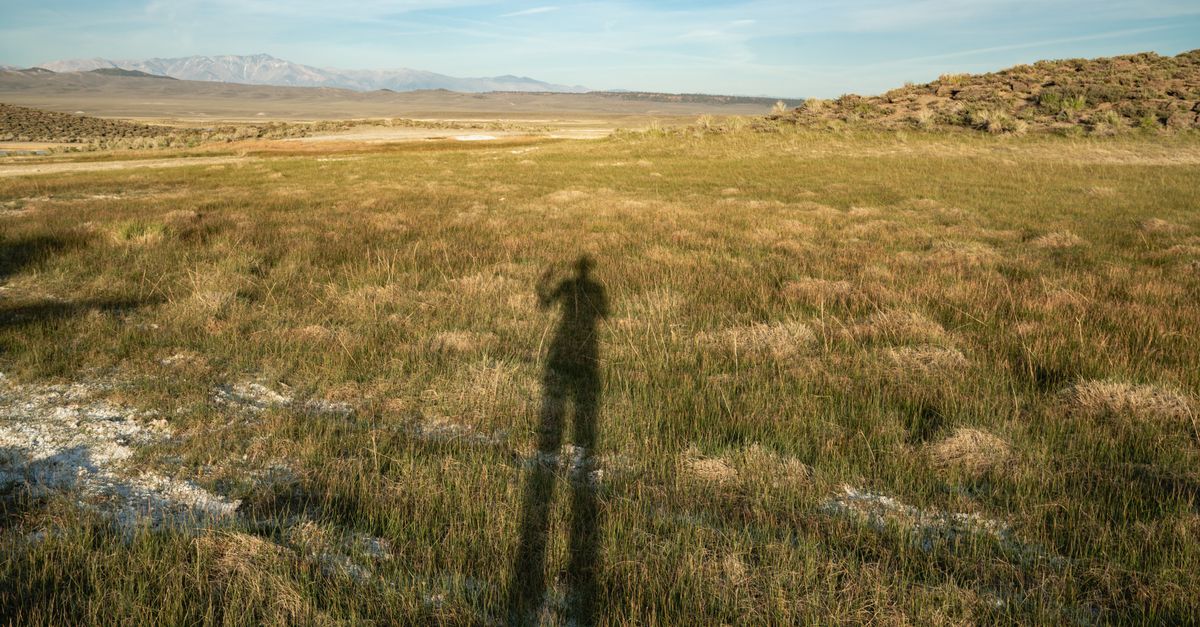
Photo by Anthony Brown via Pexels
Baker Hot Springs delivers the soaking experience that desert travelers crave: silence broken only by wind, water that smells of minerals and earth, and a sky that stretches to distant ranges. The source emerges at approximately 104°F, cooled to therapeutic temperatures in small concrete pools that have been maintained at the site for decades. What you find here is not a resort, not a spa, and not a developed bathing complex. It is a spring in the ground, improved just enough to make soaking comfortable, and that distinction matters.
The site sits in Nevada's Lincoln County, in the long valley between the Schell Creek Range and the Nevada-Utah border. Visitors traveling from Utah typically approach via US Route 93, turning north toward the town of Baker and then following BLM signs to the springs. The drive from Las Vegas takes roughly three hours. From Salt Lake City, plan for four to four-and-a-half hours. That distance is part of the appeal. Baker Hot Springs rewards the willing traveler.
The high desert setting shapes every aspect of the soak. At an elevation around 5,800 feet, the air holds a particular clarity that lowland visitors often find surprising. Summer temperatures can exceed 100°F, making afternoon soaks uncomfortable and early morning or evening the preferred windows. Winter transforms the experience entirely. December through February bring cold nights and often-empty pools, with steam rising from the water into frigid air. The contrast, the crunch of frost beneath boots, the way the mountains glow pink in predawn light. These moments explain why experienced hot springs travelers seek out the off-season.
The Soaking Experience
The main soaking pool measures roughly eight feet across and holds perhaps a dozen bodies at capacity. A smaller, hotter pool sits adjacent, fed directly by the spring source. Water flows continuously through the system, refreshing constantly and maintaining the clarity that distinguishes properly flowing springs from stagnant ones. The mineral content includes dissolved solids common to Great Basin thermal features: calcium, magnesium, sodium, and trace sulfides that produce a faint egg-like odor, present but not overpowering.
The water originates as precipitation that fell on the ranges to the west, likely hundreds or thousands of years ago. That ancient water finds deep fracture pathways, heats in the earth's interior, and rises along geological contacts until it reaches the surface at Baker. This hydrological story plays out across the Great Basin, but Baker's location along a significant fault zone makes it particularly reliable.
Soaking protocol at Baker follows the informal tradition common to undeveloped BLM sites. Clothing is optional in the smaller upper pool and expected in the main pool during busy periods. Nudity itself is legal on BLM land, though visitors should assess their own comfort and the presence of families or larger groups. Respect for other soakers and for the resource itself defines the social contract here. Pack out all trash. Minimize noise after dark. Leave the site as clean as you found it.
Practical Logistics
Directions matter more for Baker Hot Springs than for developed attractions. GPS coordinates approximately 39.0167°N, 114.7333°W will get you close, but the final approach requires attention. From Baker, drive roughly 1.5 miles west on Highway 892 (also called Garrison Road) before turning onto the unsigned dirt road that leads to the springs. Low-clearance vehicles risk scraping on the uneven surface. After rain or snow, four-wheel drive with high clearance becomes advisable. In dry summer conditions, two-wheel drive sedans manage the road with careful driving.
Amenities at the springs are essentially nil. No water, no restrooms, no trash service, no attendant. The pool and a small concrete deck are all that exist. Visitors must bring everything: water for drinking, food, towels, appropriate footwear for the rocky terrain, and sun protection in summer. The closest services are in Baker, Nevada, a hamlet of perhaps 200 residents that nonetheless supports a small grocery, a gas station, and the Tin Notebook, a well-regarded cafe that makes an ideal pre- or post-soak meal.
Camping is permitted on BLM land in the vicinity, subject to standard dispersed camping regulations. No services exist, but the freedom to pitch a tent with a view and walk to the springs for a sunrise soak represents the kind of experience that defines the Great Basin hot springs tradition.
When to Go
Peak season runs May through October, when warm weather makes the approach comfortable and the springs serve as relief from desert heat. Summer weekends draw the largest crowds, and on busy holiday weekends, the small pools can feel crowded. Saturday morning arrivals typically find the best balance: soaks are empty after overnight departures, and the day stretches ahead for lingering.
Winter visits offer solitude and a different character entirely. The 5,800-foot elevation means cold nights and occasional snow. The road may require four-wheel drive after storms. But the trade-off: having a 104-degree spring essentially to yourself while snow dusts the nearby peaks draws a devoted winter following.
Spring and fall occupy the middle ground. April and October typically deliver the most stable weather and the most reliable road conditions. These shoulder seasons combine comfortable temperatures with reasonable crowds, making them ideal for first-time visitors.
Before You Go
Check conditions before departing. BLM offices in Ely, Nevada, manage the site and can confirm current status. The road occasionally closes after flooding or during maintenance periods. A phone call or online check saves a wasted drive.
Water levels and pool temperatures at thermal springs can fluctuate with seismic activity, drought conditions, or seasonal groundwater changes. Baker Hot Springs has maintained consistent flow for the decades it has been documented, but visitors should arrive prepared for conditions that differ from online photos taken years earlier.
The desert environment demands attention to basic safety principles. Carry more water than you think you need. Hydration in the desert is non-negotiable. Tell someone your plans, especially for winter visits or solo travel. Bring a map and do not rely solely on cell service, which is essentially nonexistent in this part of Nevada.
Baker Hot Springs represents a particular kind of soaking destination: unpolished, remote, and entirely dependent on visitor responsibility. The pools will be here next year if everyone who uses them treats the site with respect. For many visitors, that understanding is part of the appeal. Some places survive because people choose not to ruin them.