Dixie Hot Springs Utah: Your Complete Guide to Soaking in the Desert
- September 6, 2026
Photo by James Mirakian via Pexels
The main thing you need to know about Dixie Hot Springs is straightforward: this is Utah's most accessible developed hot springs resort, located just minutes from Hurricane and within easy reach of Zion National Park. The facility offers multiple mineral-rich pools ranging from 98 to 106 degrees Fahrenheit, set against a backdrop of ancient lava fields and crimson canyon walls. Whether you're road-tripping through Washington County or basing yourself near St. George, Dixie Hot Springs is worth adding to your itinerary. The site has operated in various forms since the early 1900s, growing from rustic pioneer bathing to a modern resort experience while keeping what made it appealing in the first place: therapeutic waters that bubble up naturally from the earth at about 400 gallons per minute.
The Geology Behind the Heat
The thermal waters at Dixie Springs originate deep beneath the Colorado Plateau, where residual volcanic activity from millions of years ago continues to heat groundwater as it percolates through fractured limestone and basalt. According to the Utah Geological Survey, the hot springs emerge along the Hurricane Fault, a major geological structure that runs through the western edge of the Colorado Plateau. Water reaches the surface at temperatures around 108 degrees Fahrenheit before being channeled into cooling pools for comfortable soaking.
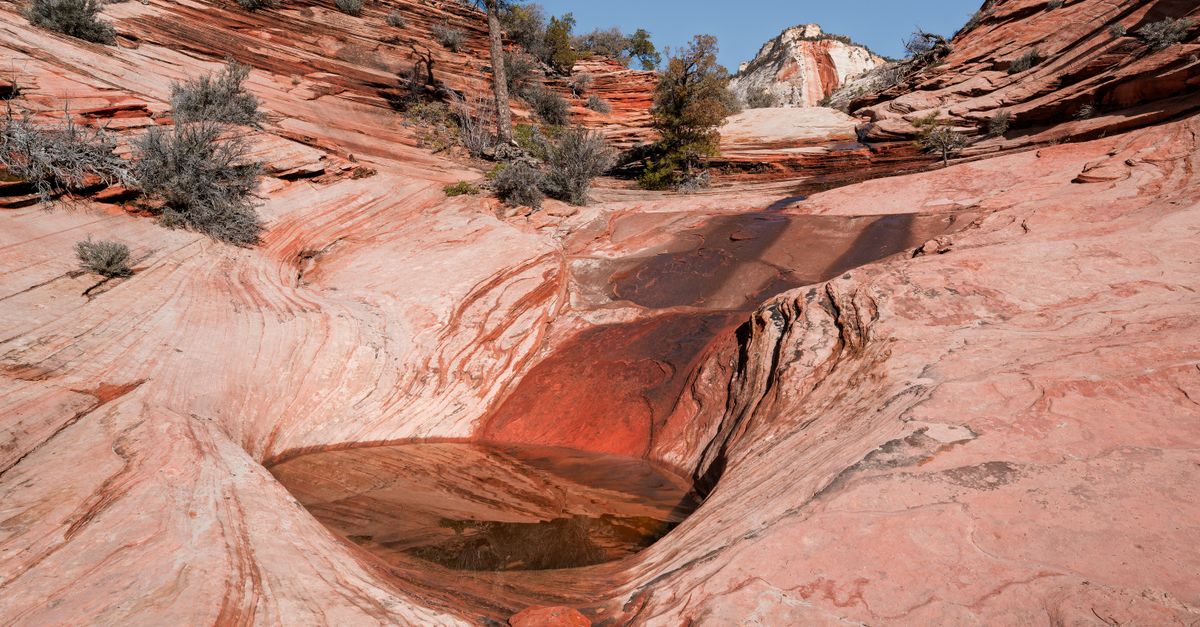
The mineral content includes calcium, magnesium, sulfate, and traces of lithium. Locals have credited these minerals for generations for helping with joint pain and skin conditions. The U.S. Geological Survey notes that similar thermal springs throughout the Colorado Plateau region have been used therapeutically by indigenous peoples and settlers alike for thousands of years. The rust-red coloration of the surrounding landscape comes from iron oxide deposits in the Navajo Sandstone, the same geological formation that creates the sweeping vermillion cliffs of Zion National Park just thirty miles to the east.
A Century of Soaking History
Dixie Hot Springs carries a name rooted in Utah's complicated pioneer history. The term "Dixie" refers to the Mormon settlement effort in the 1860s to grow cotton in this desert region, a response to the Confederate cotton blockade during the Civil War. Brigham Young sent missionaries to this area, then called "Utah's Dixie," believing the hot climate would support cotton, tobacco, and other Southern crops. The springs themselves were known to Native American tribes long before pioneer arrival, used for healing ceremonies and warmth during cold desert nights.
Resort development took off in the 1920s, when automobile tourism made remote Western destinations accessible. Early facilities were simple concrete pools fed directly by the thermal springs, drawing visitors from St. George, Cedar City, and eventually Las Vegas. The property changed hands multiple times over the decades, surviving floods, economic downturns, and the occasional fire. Today's modern facility represents a significant investment in visitor comfort while honoring the site's historical character: exposed lava rock walls and mature cottonwood trees date from earlier eras, linking present-day soakers to those who soaked here a century ago.
The Soaking Experience Today
Visitors to Dixie Hot Springs will find a well-maintained resort facility with several distinct pools catering to different preferences. The largest pool maintains temperatures around 102 degrees Fahrenheit, suitable for extended soaks and social soaking. A smaller, hotter pool reaches approximately 106 degrees, preferred by those seeking more intensive thermal therapy. A cold plunge pool offers contrast bathing for the adventurous, a practice supported by research on circulatory benefits.
The facility operates year-round, though summer visits require early morning or evening timing to avoid the intense desert heat. Summer afternoon temperatures in Hurricane regularly exceed 100 degrees from June through August, which can make outdoor soaking uncomfortable despite the thermal water. Spring and fall offer ideal conditions with highs in the 70s and 80s. Winter soaking is magical: sitting in steamy mineral water while snow dusts the red rocks of nearby Pine Valley Mountains.
The setting is worth noting. Dixie Hot Springs sits at an elevation of roughly 3,200 feet, lower than surrounding plateaus, which creates a sheltered microclimate. The property borders agricultural land, and you'll often smell sage and juniper carried on the breeze. At night, the Milky Way emerges with startling clarity. Light pollution is minimal, and the facility's outdoor lighting is subdued to preserve the natural darkness.
Planning Logistics and Visitor Information
Dixie Hot Springs operates as a private resort with admission fees and specific hours. Current entry fees run approximately $15 to 20 per person for day use, with discounts for seniors and children. The facility is family-friendly, though parents should note that very young children may be sensitive to the heat. Towel rental is available for an extra fee, and lockers or day-use changing rooms are provided. Bringing your own towel and sandals is recommended for comfort and hygiene.
The resort is located approximately 15 miles northeast of St. George via State Route 9, then County Road. The last few miles involve unpaved roads, passable in standard vehicles but potentially slick after rain. Ample parking exists for cars and RVs. The address is 1015 River Road, Hurricane, Utah. For current hours and any seasonal schedule changes, check the official website or call ahead. Hours vary by season, with winter closures or reduced hours occasionally happening.
What to bring: swimsuit, towel, water bottle (staying hydrated matters even when soaking), sunscreen for pre and post-soak protection, and a camera for the dramatic scenery. What to leave: glass containers (safety concern with wet surfaces), loud speakers, and expectations of wilderness solitude. This is a developed resort, not a wild hot spring.
Beyond the Springs: Regional Attractions
The location's value becomes apparent when you consider what is nearby. Zion National Park lies 45 minutes east via State Route 9, one of America's most visited national parks with world-class hiking including The Narrows, Angel's Landing, and Observation Point. Snow Canyon State Park is just fifteen minutes away, offering red rock trails, volcanic cinder cones, and rock climbing in a quieter setting than Zion. St. George itself has developed into a mild winter destination with golf courses, art galleries, and restaurants catering to the active retirement community.
The broader Washington County region offers additional soaking options for hot springs enthusiasts. For those willing to drive an hour or two, the Pah Tempe Hot Springs near Hurricane provides a different experience with its outdoor natural setting, while Minersville Hot Springs in southern Utah offers yet another variation on the thermal spring theme. The town of Virgin, gateway to Zion's east side, has seen growth in visitor services including cafes and gear shops.
For the historically minded, the St. George area includes the historic St. George LDS Temple, the Brigham Young Winter Home, and the Tuacahn Outdoor Amphitheatre carved into a canyon wall. Those interested in dinosaur paleontology should visit the St. George Dinosaur Discovery Site, which preserves Jurassic-period fossil footprints along the Virgin River.
The Case for Dixie
Dixie Hot Springs occupies a particular niche in Utah's hot springs landscape. It is not a wild spring reached by rugged hiking. It is a developed resort offering consistent access, reliable water quality, and comfortable amenities. It is not a luxury spa with high-end treatments. It maintains a modest, family-oriented character with reasonable prices. What it offers is reliable, year-round thermal soaking in one of America's most spectacular landscapes, backed by over a century of continuous operation.
For travelers passing through southern Utah, whether heading to Zion, exploring the Grand Staircase-Escalante, or simply seeking relief from the desert's intensity, Dixie Hot Springs is a worthy stop. The mineral-rich waters, the dramatic setting, and the weight of history combine to create an experience that goes beyond simple relaxation. Here, you soak where humans have soaked for centuries, drawing warmth from the same earth that continues to shape this red rock country.