Fifth Water Hot Springs Utah: Complete Trail Guide, Current Conditions & Soaking Tips
- August 30, 2026
Photo by James Mirakian via Pexels
The hike in: What to expect on the trail
The trailhead sits at the Fifth Water Trail parking area off Highway 6, roughly 20 miles south of Spanish Fork, Utah. Parking fills by mid-morning on weekends, so arrival before 8 a.m. during summer guarantees a spot and grants access to the trail before crowds accumulate. The Forest Service maintains approximately 60 spaces at the primary lot, with overflow parking available along the highway's shoulder during peak season.
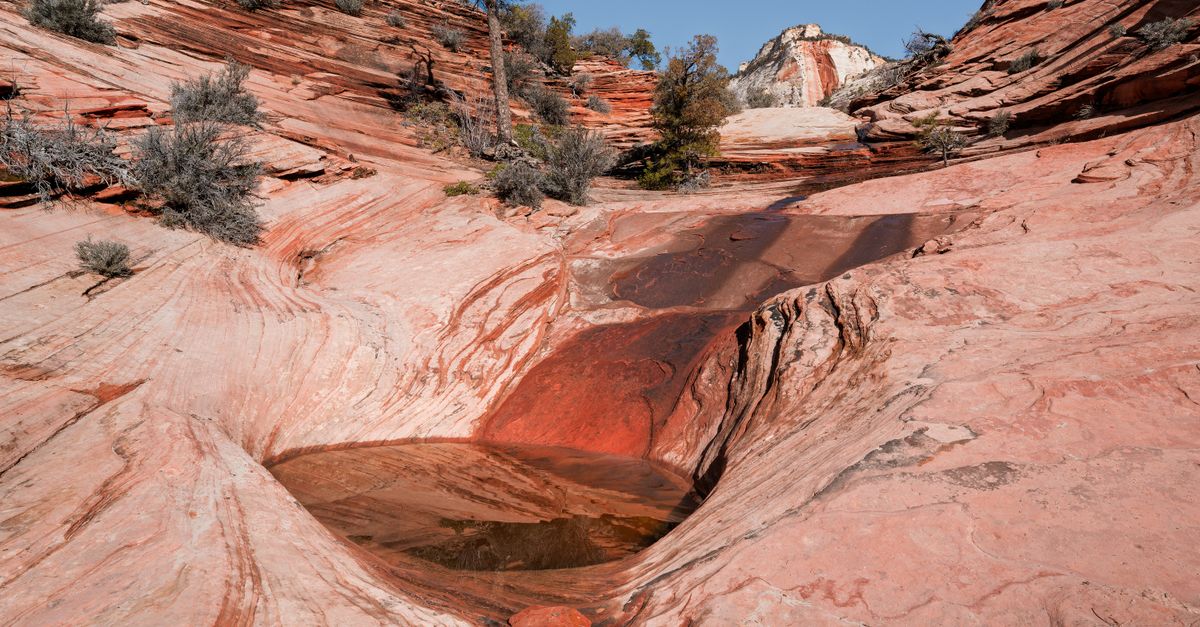
From the trailhead, the path descends steadily into Red Canyon, crossing Fifth Water Creek multiple times via rock hop and small footbridges. The 2.5-mile distance to the upper hot springs feels shorter than it reads due to the canyon topography's continuous visual interest. Red rock walls rise on either side, narrowing into sections where the trail threads between exposed cliff faces. The creek runs clear and cold year-round where it exits the hot springs complex, making early crossings refreshing and later crossings pleasantly warm as the thermal water joins the flow.
Trail conditions vary seasonally. Spring melt swells the creek, sometimes eliminating crossing points and requiring scrambling over slippery boulders. Summer heat transforms the canyon into a warm corridor. Carry more water than you think necessary, since shade exists only in scattered patches. Autumn delivers the ideal hiking window: moderate temperatures, stable creek levels, and the canyon's aspens turning gold against the red sandstone. Winter access remains possible but requires awareness of ice on shaded sections and the possibility of snow at the trailhead elevation of 5,400 feet.
The pools: Understanding the layout
Fifth Water Hot Springs manifests as a series of roughly six distinct pools distributed across approximately a quarter-mile of creek. The geology here centers on travertine, dissolved limestone that precipitates out of the thermal water, building terraced formations and creating the pools' distinctive smooth, cream-colored boundaries.
The lowest pool sits closest to the creek's confluence with the main drainage and sees the heaviest traffic. This pool runs cooler, roughly 95 degrees Fahrenheit, as it mixes with creek water. Weekends bring this section to capacity by 10 or 11 a.m., with bodies packed shoulder-to-shoulder around the edges.
Ascending the travertine terraces brings progressive isolation. The middle pools register around 102 to 105 degrees, comfortably hot without being punishing. These represent the sweet spot for most soakers, combining decent temperature with reasonable crowd levels that thin noticeably higher up.
The uppermost pool, approximately 150 yards beyond the main developed area, rewards the effort. This pool runs nearly pure thermal output at 106 to 108 degrees, depending on season and recent rainfall. On weekday mornings, I've soaked here in near-solitude, hearing nothing but the creek's rush and the wind through the canyon. The pool itself sits in a narrow channel, with waterfall-style cascades from the upper source providing massage pressure against exposed shoulders and backs.
Current conditions: Planning your visit
Water flow at Fifth Water Hot Springs derives from geothermal sources upstream, maintaining consistent output throughout the year. Unlike some hot springs that diminish in summer, Fifth Water's volume remains steady because the thermal aquifer connects to deep groundwater rather than snowmelt-dependent shallower sources. The Forest Service reports no significant changes to pool availability in recent years, though seasonal flooding in 2017 damaged the lower trail sections and footbridges, requiring reconstruction.
Water quality monitoring occurs informally through user reports rather than systematic testing. The pools' constant turnover, thermal water flowing through continuously, maintains acceptable conditions under normal use. However, the Forest Service advises against soaking if you have open wounds or compromised immune systems, and proper hygiene practices protect both individual health and collective water quality.
Wildlife in Red Canyon includes mule deer visible at dawn and dusk, raptors circling the ridgelines, and the ever-present Utah rattlesnake in rocky areas. Watch where you place hands and feet, especially around the upper pools where rockfall from the cliff faces creates ideal rattlesnake habitat. Ticks appear in spring and early summer. Light-colored clothing and thorough checks after hiking help prevent embedded passengers.
Getting there: Logistics and tips
From Utah's Wasatch Front, Spanish Fork provides the most direct access. Head south on U.S. 6 for approximately 20 miles, watching for the signed turnoff at milepost 222. The turn leads to a gravel lot immediately on the right. No fee applies, and no permit system exists for day use.
Bring water shoes. The travertine-bottomed pools feel better with foot protection, and the creek crossings require stable footing on slick surfaces. A quick-dry towel and waterproof bag for electronics complete the essential kit. Water temperatures of 100-plus degrees combined with Utah's dry air create significant dehydration risk. Consume fluids actively while soaking rather than waiting until you feel thirsty.
Dogs remain prohibited on the trail and at the pools per Uinta-Wasatch-Cache National Forest regulations. This restriction protects both water quality and wildlife in the riparian corridor.
The return hike climbs approximately 300 feet over the 2.5-mile distance, making the descent feel easy and the return more work. Budget extra time accordingly, and begin the return journey when your body signals completion rather than waiting for the crowd to thin further. Hiking uphill in afternoon heat after extended soaking demands more energy than anticipated.
What it does: The soaking experience
Fifth Water's mineral content, calcium, magnesium, and trace sulfur, produces a distinctly different soak than desert hot springs further west. The water carries that soft, slightly effervescent quality associated with limestone aquifers, leaving skin feeling slick rather than dried. Muscle tension accumulated from driving the Wasatch Back or navigating I-15 weekend traffic dissolves within fifteen minutes of immersion in the upper pools.
The canyon setting completes the experience. Red sandstone walls glow copper in afternoon light, creating a color palette that Utah's recreational hot springs increasingly struggle to match. The sound environment, creek water, dripping travertine, occasional hawk cry overhead, provides the kind of auditory restoration that screens and speakers cannot replicate.
Fifth Water Hot Springs functions as both entry point and destination. Its proximity to Salt Lake City's metro area, roughly 90 minutes door-to-trailhead, makes it accessible for a day trip that would require a full weekend to reach more remote alternatives. This accessibility creates the crowding pressure that upper pool solitude eventually rewards. The reward is worth the effort: fewer people mean cleaner water, quieter reflection, and the particular satisfaction of earning your soak through two miles of canyon footpath rather than a parking lot shortcut.