Gandy Warm Springs Utah: The Complete Desert Oasis Guide for Soakers
- August 12, 2026
Photo by Francesco Ungaro via Pexels
Gandy Warm Springs sits where Utah dissolves into Nevada, a place the maps acknowledge but the crowds haven't found. Search interest in this remote soak has climbed over 240% year-over-year according to Google Trends data, yet the spring remains genuinely uncrowded—a rarity in the hot springing world where "hidden gems" tend to become packed destinations within a single viral season. The spring offers water at a comfortable soaking temperature, natural pools carved by mineral-rich water over decades of patient accumulation, and a desert setting that rewards those who make the journey. This guide covers the experience, the approach, and the practical details that separate a good visit from a great one.
The Gandy Warm Springs Experience
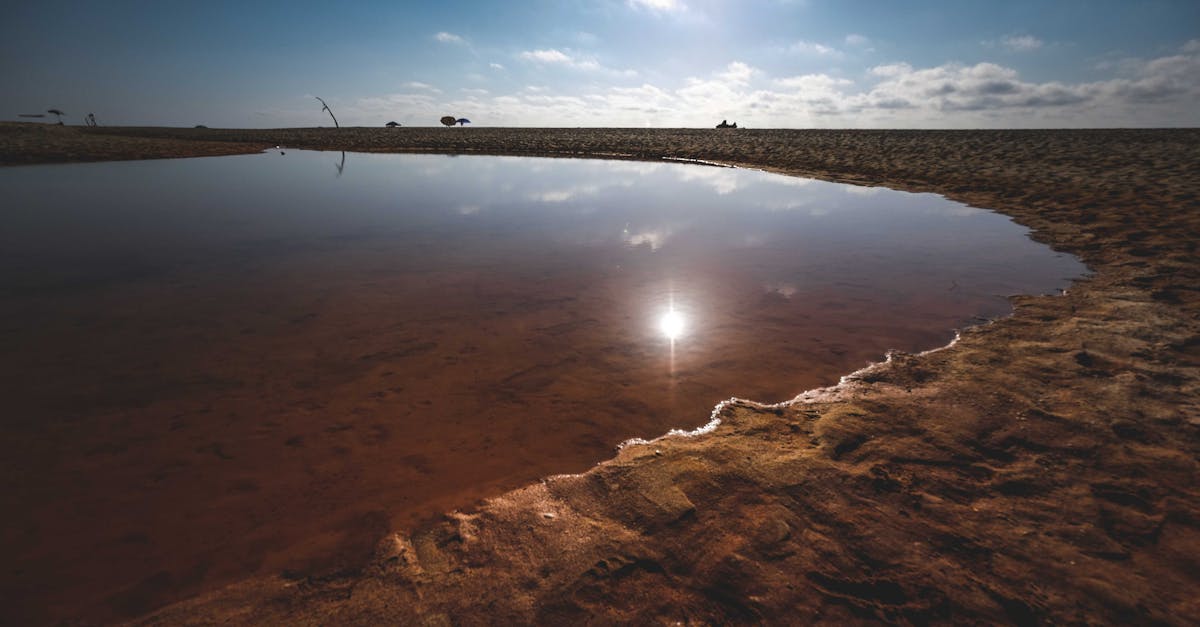
The pools at Gandy emerge where geothermal water surfaces through fractured rock and collects in natural basins along a shallow drainage. The water temperature hovers in the comfortable range that soakers prize—warm enough for extended immersion without the careful positioning and limited duration that truly hot springs demand. At roughly 92 to 96 degrees Fahrenheit depending on season and exact location within the spring system, the water invites you to settle in, relax completely, and let the desert do what deserts do best: slow your perception of time.
What distinguishes Gandy from more developed hot spring destinations is the absence of infrastructure entirely. No concrete pools here, no chlorinated water, no changing rooms or wooden decks. Instead, the spring offers raw geology in action—water emerging from the earth at its own temperature, pooling where gravity and stone dictate, stained faintly by mineral deposits that mark the water's journey. The experience demands attention in ways that manicured facilities do not. You read the terrain, find your preferred pool, settle in among rocks that hold the day's heat, and orient yourself by mountains rather than signs.
The sound environment deserves specific mention. At Gandy, the acoustic landscape includes wind through sparse sagebrush, the distant call of a hawk circling thermals overhead, and the soft burble of water moving through shallow channels between pools. Engine noise from nearby roads never intrudes. This acoustic solitude matters more than visitors often expect until they experience it—the particular quiet of a desert that has not been subdivided, paved, or filled with other people's activities.
Navigating to Gandy Springs
Reaching Gandy Warm Springs requires accepting that remoteness constitutes part of the destination rather than an obstacle to it. The spring lies approximately 25 miles northeast of the small community of Garrison, Utah, which itself sits along U.S. Route 6 about 60 miles west of Delta. From Delta, travelers head west on Highway 6, then north on a series of county roads that eventually become improved dirt tracks winding through Great Basin rangeland. The journey from Delta takes roughly an hour to ninety minutes, with the final stretch demanding patience as road conditions vary with weather and maintenance schedules.
Directional guidance from digital mapping applications remains unreliable in this region. The BLM manages the land, and while the roads are generally passable for standard passenger vehicles when dry, conditions can deteriorate rapidly after rain or during spring snowmelt. High-clearance vehicles handle the route more comfortably, and four-wheel drive becomes advisable for the final miles regardless of conditions—gravel surfaces with sharp volcanic rocks can deflate tires that aren't properly inflated, and the nearest tire repair lies an hour away. Visitors should download offline maps through Gaia GPS or OnX before departing pavement, as cell service disappears well before reaching the spring.
The BLM has not established formal parking, but the approach road terminates in a natural clearing where vehicles can disperse among the sagebrush. A short walk of perhaps five minutes leads to the spring area, following a barely-defined path that more visitors have created over time than maintained as a trail.
What to Bring and How to Prepare
The golden rule at Gandy Warm Springs, as at any undeveloped hot spring, is pack it in and pack it out. No restrooms exist at the spring, no trash receptacles, no water fountains. Visitors must carry everything they need and remove everything they bring, leaving no evidence of their presence. This principle protects both the resource and the experience—the spring remains natural precisely because those who use it treat it as borrowed rather than owned.
Water demands serious consideration. The desert environment accelerates dehydration faster than most visitors expect, and soaking in warm water compounds the effect. A minimum of one gallon per person for a two-hour visit accounts for replacement of fluids lost to perspiration and immersion. Beyond drinking water, many visitors appreciate a small cooler with beverages at comfortable temperatures—ice-cold water feels luxurious after a desert approach, and some bring thermoses of tea or coffee for cooler months.
Footwear selection significantly affects the experience. The terrain between parking and pools involves volcanic rock fragments, uneven surfaces where ancient lake beds have exposed themselves, and potentially slick areas where mineral deposits have accumulated near active springs. Flip-flops work for some visitors, but water shoes or sturdy sandals with grippy soles serve more visitors better. The rocks retain heat through evening hours, making sturdy footwear valuable for night soaks when bare feet become uncomfortable.
Clothing considerations vary by season and personal preference. Many soakers prefer minimal coverage in the water, while others wear swimwear or quick-dry clothing. A large, lightweight towel or dedicated sitting mat proves valuable for breaks between soaking and dressing. Sun protection matters even on overcast days—the desert's elevation means ultraviolet radiation penetrates cloud cover with surprising effectiveness.
The Great Basin Landscape
Gandy Warm Springs occupies the western edge of Utah's Great Basin, a vast physiographic province characterized by elongated mountain ranges separated by flat, dry valleys. This is Basin and Range country, where the earth's crust has stretched and broken into alternating ridges and troughs that extend for hundreds of miles in roughly north-south orientation. The mountains visible from the spring catch precipitation that the valleys never receive, creating an environment where water emerges at specific points while the surrounding terrain bakes in persistent sunshine.
Vegetation reflects these extreme conditions. Sagebrush dominates the valley floors, a plant so perfectly adapted to aridity that it extracts almost all its water needs from soil moisture that never pools visibly on the surface. Wildflowers appear briefly after rare rains—purple lupine, yellow mallow, and various members of the onion family that early travelers used for both food and medicine. During spring months, the margins of the spring support greenery that vanishes quickly once temperatures climb toward summer highs.
The sky at Gandy constitutes its own attraction. Without development for miles in any direction, the darkness after sunset approaches gradually and completely. Stars emerge in numbers that city dwellers often find startling—the Milky Way appears as a distinct band rather than a vague suggestion, and shooting stars interrupt the display with frequency that seems impossible until you've watched for an hour. The desert's cool nights after summer soaks offer a temperature contrast that reinforces the warmth of the spring water, creating a cycle of heating and cooling that feels precisely calibrated for human comfort.
The Social Dimension of Solitude
Despite the remote setting, Gandy Warm Springs occasionally hosts gatherings that reveal the community forming around American hot springing culture. Word spreads through forums like Soaking Stones and among networks of travelers who track developments in the soaking community. These visitors tend toward mutual respect rather than territorial behavior—the spring is large enough to accommodate multiple groups without crowding, and the unspoken etiquette of hot spring visitors prioritizes shared enjoyment over competitive positioning.
At the same time, many visitors come specifically for the solitude Gandy provides. The spring's remote location filters out casual day-trippers and attracts instead those who plan their visits deliberately, who accept the journey as part of the experience rather than an inconvenience to minimize. The result is a visitor demographic skewed toward intentional travelers who understand and appreciate what the spring offers: genuine quiet, authentic natural surroundings, and the particular satisfaction of reaching a destination that rewards effort.
Planning Your Visit
The best seasons for Gandy Warm Springs extend from late spring through early fall, with shoulder seasons offering temperature advantages that summer months cannot match. May and June bring comfortable air temperatures alongside spring-fed water warmth, while September and October often provide the year's most reliable soaking conditions as summer's extreme heat fades but before winter closes access roads. Summer visits require early morning starts to avoid both the day's heat and potential crowding from other travelers seeking shade and water.
Checking local conditions before departing becomes essential rather than optional. The BLM office in Fillmore manages the region and can provide current road condition reports. Weather in the Great Basin can shift rapidly—afternoon thunderstorms during monsoon season occasionally make roads temporarily impassable, while exceptional snow years may extend closures into spring months that visitors assume will be accessible.
Gandy Warm Springs represents a particular approach to hot springing that prioritizes authenticity and self-reliance over convenience and amenity. The spring rewards those who prepare thoroughly, respect the environment, and embrace the journey as part of the experience. As more travelers discover this remote corner of Utah, maintaining its character depends entirely on visitors who understand and practice Leave No Trace principles. The opportunity to soak in genuine solitude, surrounded by one of America's most striking desert landscapes, remains available to anyone willing to seek it out and prepared to meet the desert on its own terms.