Homestead Crater Utah: The Complete Guide to Soaking in America's Most Unusual Hot Spring
- August 30, 2026
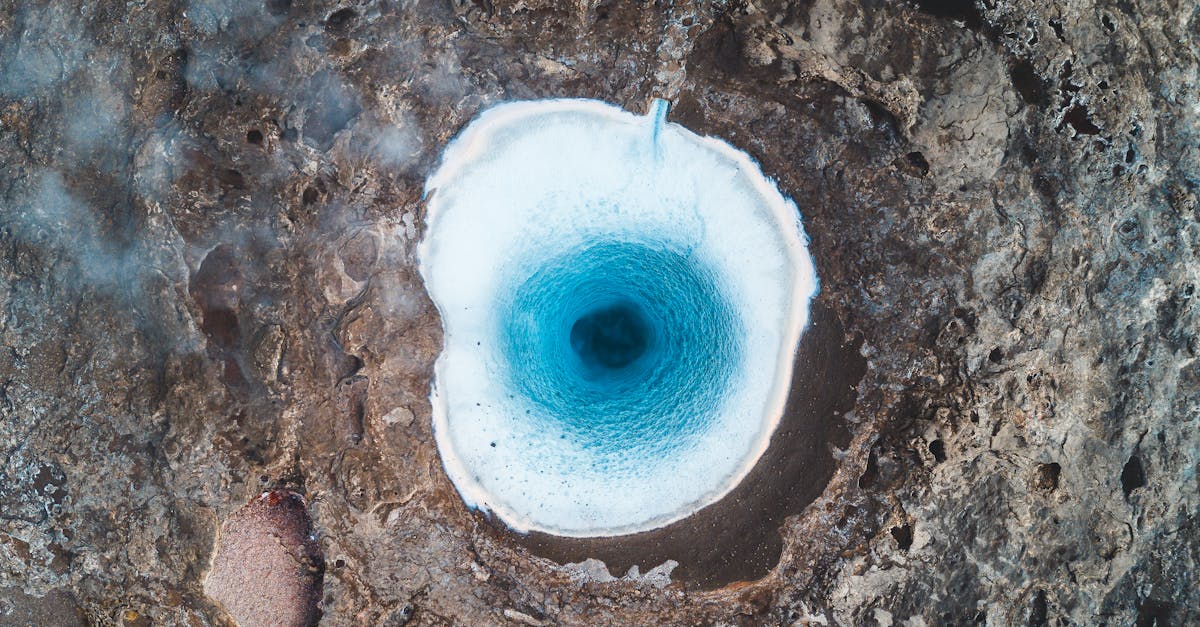
Photo by Willian Justen de Vasconcellos via Pexels
The Homestead Crater sits about 45 minutes southeast of Salt Lake City, inside a collapsed volcanic caldera that locals call "The Crater." This is a natural geothermal spring, not a developed resort pool. Mineral-rich water has been seeping through rock for millennia, building up the soft travertine formations that line the interior. The water stays around 90 to 95 degrees Fahrenheit year-round,恒温 and mineral-dense, with dissolved calcium, magnesium, and sulfate that soakers claim leave skin impossibly soft. The spring produces roughly 385 gallons per minute, cycling and refreshing constantly, which keeps the water clear enough to make the white limestone walls seem to glow.
The Soaking Experience
You enter by wading through a short tunnel from the resort pool, then dropping into water that surrounds you immediately. The opening at the top is about 10 feet across. Shafts of natural light cut through the steam, illuminating the curved walls in ways that shift throughout the day. Early morning soaks catch the light when it's low and golden; afternoon visits bring brighter, more diffuse illumination that reveals the full sweep of the crater's interior. At night, the darkness above contrasts with the luminous water, creating something closer to a planetarium than a swimming pool.
The depth is the crater's most dramatic feature. The spring bottom sits about 55 feet down, though rocky shelves and formations along the sides create shallower areas for standing or sitting. Strong swimmers can dive or swim down toward the bottom, where the water pressure increases and the temperature drops a degree or two. Most visitors spend their time in the upper 15 to 20 feet, floating while the cavern's acoustics amplify every splash and whisper. The mineral content makes the water feel slightly thick compared to chlorinated pools, and the warmth works into tired muscles quickly. About 45 minutes is usually enough to feel the effects. Longer sessions risk overheating, especially in summer when the air is already warm.
The Homestead Resort limits the number of people in the crater at any given time and requires advance reservations during peak seasons. The exclusivity is a real benefit here: it keeps the atmosphere intimate and prevents the overcrowding that affects more accessible Utah hot springs.
Location and Access
The Homestead Crater is on the Homestead Resort property in Midway, Utah. Midway sits in the Heber Valley, a mountain-ringed basin at roughly 5,700 feet elevation. The drive from Salt Lake City takes about 50 minutes via Interstate 80 east to Route 40, then north through Heber City to Midway. Winter driving presents no special challenges for standard vehicles, though snow is common from November through March, and all-season or winter tires are advisable during those months.
Getting into the crater means either booking a room at the Homestead Resort or purchasing day-use access through the spa facilities. Day passes have become harder to get on summer weekends and holidays; the resort recommends booking two to three weeks ahead for guaranteed entry. Spa guests get priority access, and many people pair a crater soak with other spa services like massages, facials, and body treatments. The spa admission includes access to the crater, outdoor pools, and the fitness center, with time slots running in two-hour blocks.
Day access for non-guests costs roughly $35 to $45 per person, depending on the season. Resort guests pay less or get included access with certain room packages. The spa desk has current pricing and availability.
What Makes This Hot Spring Unique
Geologically, the Homestead Crater formed over thousands of years as mineral-rich water from a deep geothermal source percolated upward through limestone, depositing travertine in layers that eventually created a dome. The dome collapsed, likely due to water erosion weakening the base, leaving the open cavity that now holds the spring. This is similar to how other hot spring terraces and chalk formations in the region developed over time.
The water chemistry sets the Homestead Crater apart from most American hot springs. According to testing data published by the resort and available through state environmental records, the spring water contains elevated levels of calcium, magnesium, sulfate, and bicarbonate. These minerals absorb through the skin during soaking and create the soft, almost slippery feeling that visitors frequently mention. The water's pH sits around 7.2, slightly alkaline, and the low bacterial content means no strong sulfur smell, unlike many geothermal springs. The mineral profile also means the water is hard, which can affect hair for some visitors. Many bring conditioner or wear their hair up during soaks.
The crater's isolation adds to its appeal. Though technically on resort property and reached via a built tunnel, the interior feels ancient and elemental. The walls bear the marks of millennia of mineral deposition, with ripples and shelves that suggest water levels have shifted over time. No electronic lighting or artificial sounds intrude; the experience is determined by the sun, the water, and whoever else happens to be soaking.
Planning Your Visit
Timing matters at the Homestead Crater. Weekday mornings offer the most solitude, with fewer visitors and a calmer atmosphere. Saturday mornings are popular among locals and can feel crowded by mid-day. The crater is less appealing during the coldest winter months for those sensitive to air temperature. Stepping out of 90-degree water into freezing air requires some tolerance for contrast. Winter soaks do have their fans, though, and the steam rising from the crater on a cold morning creates striking visuals.
Bring a swimsuit, a towel (the resort provides basic ones, but many visitors prefer their own), and any toiletries for afterward. The resort has changing rooms and showers. Those with long hair should bring clips or ties; loose hair floats in ways that obscure the view and can tangle in mineral deposits. Waterproof cameras or phone cases allow for underwater photography, though the light conditions make timing essential.
Health considerations: The Homestead Resort advises against soaking for those with cardiovascular conditions, high blood pressure, or who are pregnant, without consulting a physician first. The heat places strain on the body, and the mineral content can affect individuals differently. Staying hydrated matters, so bring water to sip between soak intervals.
The Homestead Resort and Heber Valley
The crater sits within a larger resort that offers lodging, dining, and additional spa services. The resort's architecture leans toward mountain lodge aesthetics, exposed wood, stone fireplaces, views of the surrounding Wasatch Range. Accommodations range from standard hotel rooms to private cabins and condominiums, with rates varying significantly by season. Summer weekends and ski season command premium pricing. Park City's slopes are roughly an hour away.
Beyond the resort, Heber Valley offers outdoor recreation year-round. Summer brings hiking in the Uinta Mountains, fly fishing on the Provo River, and golf at the valley's courses. Winter activities center on snowmobiling, cross-country skiing, and ice fishing. The valley's small towns offer local restaurants and shops, though the nearest substantial commercial areas are in Park City or Salt Lake City.
The Homestead Crater makes an ideal centerpiece for a Utah hot springs trip. Those with more time can combine a visit with other regional soaking destinations, including the natural springs near Strawberry Reservoir, the developed pools at Saratoga Springs Resort, or the rustic Kinney Hot Springs further south. Utah contains more than 100 documented hot springs, according to the state's geological survey, though access varies from paved parking lots to multi-mile hikes.
Final Notes
The Homestead Crater earns its reputation as Utah's most unusual hot spring through its geological origins, its intimate scale, and the careful way it's managed for visitors. The water quality, the visual drama of the cavern, and the relative exclusivity of access create an experience that justifies the drive from Salt Lake City or beyond. For those traveling to Utah seeking natural soaking experiences, the crater should be near the top of any itinerary. Just plan ahead and secure your reservation.