Hot Springs Near St. George Utah: Your Complete Desert Soaking Guide
Field-verified hot spring guides for Utah, Nevada, and Arizona.
- September 15, 2026
- 8 mins
- Hot Springs
- pillar guide utah
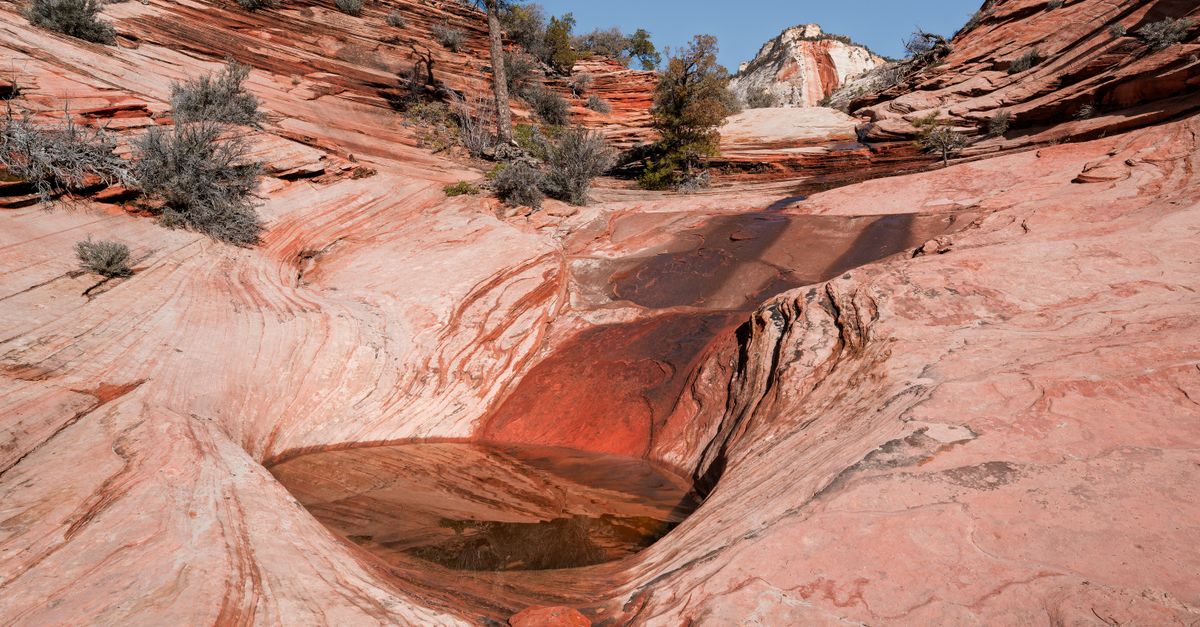
Photo by James Mirakian via Pexels
For travelers exploring the magnificent corridor between Zion National Park and Snow Canyon, the revelation comes quietly: just minutes from downtown St. George, steam rises from rocky alcoves where geothermally heated water emerges at the surface of a stark, beautiful landscape. The hot springs near St. George Utah represent one of the desert Southwest’s best-kept secrets, offering visitors a chance to soak away their cares while surrounded by spectacular red rock formations, ancient lava flows, and the profound silence of Utah’s Color Country region.
These thermal features provide more than mere relaxation. The mineral content in these southern Utah hot springs includes dissolved calcium, magnesium, sodium, and trace sulfur compounds that create a genuinely therapeutic experience distinct from any commercial spa. The combination of therapeutic soaks and world-class scenery makes this region essential territory for any serious desert adventurer.
Hot Springs Near St. George Utah
The geothermal features scattered across Washington County represent a fascinating intersection of volcanic history and desert landscape. The most accessible and popular of these hot springs near St. George Utah sits within Snow Canyon State Park, where a short but rewarding trail leads to the Red Sands Hot Springs, also known as the Snow Canyon hot springs. These modest pools, carved into a sandy wash near the canyon overlook, collect where naturally warm water seeps from the ground, creating a temperature typically ranging between 98 and 104 degrees Fahrenheit depending on the season.
The best time to visit these thermal features falls during the shoulder seasons of spring and fall, when desert temperatures hover in the comfortable 60 to 75-degree range. Summer visits become increasingly challenging due to extreme heat, though early morning soaks during June and July can still prove magical if you arrive before dawn. Winter transforms the experience entirely, with frost sometimes coating nearby rocks while steam rises dramatically from the warm pools, creating an almost otherworldly atmosphere that photographers particularly prize.
Access to the Red Sands Hot Springs involves a moderate half-mile hike from the trailhead parking area near the canyon overlook. The path winds through red and white sandstone formations before descending into a wash area where the thermal water collects in natural depressions. This access difficulty makes the site suitable for most visitors, though the uneven terrain requires basic mobility. Those seeking more adventurous soaking opportunities should continue to the Veyo area, where the Veyo Hot Springs offers a developed but wonderfully rustic experience along the Santa Clara River.
The Veyo Volcano and Hot Springs complex represents a unique attraction combining an ancient volcanic cinder cone with geothermally heated soaking pools. Three concrete pools of varying temperatures sit alongside the river, with the largest and hottest pool reaching temperatures around 105 degrees near the spring source. The mineral-rich water carries that distinctive sulfur scent that authentic hot spring enthusiasts recognize immediately, confirming that these pools draw directly from a genuine geothermal source rather than artificially heated water.
Regional Variations and Hidden Gems
For travelers willing to venture further afield, several additional thermal features reward the committed explorer. Gunlock Hot Springs, located approximately 30 miles northwest of St. George, offers a more secluded experience where water flows into a rocky canyon pool surrounded by riparian vegetation. The drive itself becomes part of the adventure, winding through scenic backcountry roads that traverse the western edge of the Red Cliffs Desert Reserve.
Baker, Nevada represents the most ambitious day trip from St. George for hot spring enthusiasts, with the跑了 hot springs near the town of Baker offering several developed soaking options along the edge of Great Basin National Park. This extended journey rewards visitors with some of Nevada’s finest dark-sky opportunities, making overnight stays particularly worthwhile.
What to Expect
The water emerging from these southern Utah thermal sources typically ranges between 100 and 108 degrees Fahrenheit at the source, cooling to more comfortable 98 to 104-degree temperatures as it collects in pools and flows downstream. The mineral content varies by location but generally includes significant concentrations of calcium, magnesium, sodium, potassium, and bicarbonate compounds, with varying amounts of dissolved silica that gives the water a distinctive silky feel on the skin.
At the Veyo complex, the water emerges with a faintly sulfuric character that many find pleasantly therapeutic, though those sensitive to sulfur should expect a slight egg-like aroma, particularly near the hottest source pools. The mineral deposits left behind on rocks and bathing suits serve as testament to the dissolved solids these waters carry, a natural signature of genuine geothermal origin.
Facilities at these various locations range from essentially nonexistent to moderately developed. Snow Canyon’s Red Sands Hot Springs offers only what nature provides, meaning visitors should expect no restrooms, no changing facilities, and no trash service. The Veyo complex provides more substantial amenities including actual changing rooms, primitive but functional restrooms, and picnic areas beside the river. Parking areas exist at both locations, though they can fill quickly during peak weekend periods.
The visual landscape surrounding these soaking areas provides spectacular context for the experience. At Snow Canyon, you soak surrounded by ancient sandstone formations dating back millions of years, with nesting ravens occasionally wheeling overhead and desert wildlife visible along the approach trail. The Veyo location offers a different character entirely, with the dormant volcanic cinder cone rising dramatically to the west while cottonwood trees line the river, their leaves rustling in afternoon breezes.
Nearby attractions enhance any hot spring itinerary considerably. Snow Canyon State Park itself warrants exploration, with its striking lava tubes, petrified sand dunes, and excellent hiking trails. The Tuacahn Amphitheater offers world-class performances in a dramatic outdoor setting just minutes from the canyon. St. George’s historic downtown provides dining and shopping opportunities, while the proximity to Zion National Park means that combining thermal soaking with one of America’s most celebrated national parks makes for an exceptional multi-day adventure.
Planning Your Visit
The drive to reach these hot springs near St. George Utah forms an essential part of the overall experience. From St. George, Snow Canyon State Park lies just 15 miles north via State Route 18, with the trailhead well-marked near the main canyon overlook. The drive itself showcases the stunning transition from urban St. George into the pristine red rock country, with the roadway winding through progressively more dramatic landscape. Morning light paints the canyon walls in brilliant oranges and reds, making early arrivals particularly rewarding for photographers.
Reaching Veyo requires approximately 25 minutes of driving from downtown St. George, heading north on State Route 18 before turning west on Highway 18 toward Veyo. The well-signed turnoff appears on the right, leading to a gravel parking area adjacent to the soaking complex. Navigation remains straightforward with standard mapping applications, though cellular service can become spotty in certain stretches, making offline map access advisable for travelers.
What to bring depends significantly on which spring you plan to visit. For Snow Canyon’s undeveloped Red Sands location, essential items include ample water for hydration, sunscreen, appropriate footwear for uneven terrain, and a towel or changing wrap. Many experienced visitors bring water shoes to navigate the rocky pool bottoms more comfortably. At Veyo, the more developed facilities mean you can travel somewhat lighter, though towels, swimwear, and hydration supplies remain essential.
Safety considerations for desert soaking deserve serious attention. Never soak alone, particularly at the more remote locations. Start with shorter immersion periods of 15 to 20 minutes before attempting longer sessions, and always listen to your body’s signals regarding temperature tolerance. The combination of hot water and desert sun can quickly lead to dehydration and heat-related illness, making continuous hydration absolutely critical regardless of the season.
Those with cardiovascular conditions, pregnant women, and individuals taking blood pressure medications should consult healthcare providers before engaging in thermal soaking, as the combination of hot water immersion and significant elevation changes in some locations can affect blood pressure and heart rate. Children should be supervised constantly around all water sources, including these natural thermal features.
Conclusion
The hot springs near St. George Utah offer something increasingly rare in our over-planned, over-developed world: genuine discovery in a spectacular setting. These geothermal treasures provide accessible wilderness experiences that connect modern visitors with ancient geological processes while delivering the very real therapeutic benefits that humans have sought from thermal waters for thousands of years.
Respect for these fragile environments ensures their preservation for future generations. Pack out everything you carry, stay on established trails, and avoid using soaps or shampoos that can contaminate the water. These simple commitments maintain the water quality that makes these locations special. Soaking responsibly, traveling prepared, and embracing the profound silence of the desert transforms a simple hot spring visit into a genuinely transformative experience that embodies everything that makes the American Southwest so compelling to explore.