Discover the Best Southern Utah Hot Springs: A Complete Guide to Desert Soaking Bliss
Field-verified hot spring guides for Utah, Nevada, and Arizona.
- September 11, 2026
- 8 mins
- Hot Springs
- pillar guide utah
Photo by Wal Saravia via Pexels
The desert Southwest holds secrets that most travelers never discover, hidden in remote canyons and high desert plateaus where the earth itself seems to breathe warmth. Southern Utah hot springs represent one of the region’s most remarkable natural treasures, offering visitors a chance to immerse themselves in geothermally heated waters while surrounded by the same spectacular red rock formations that draw millions to Zion, Bryce, and Canyonlands each year. These thermal pools, fed by deep underground reservoirs heated by the region’s volcanic past, contain a unique mineral profile that has drawn Indigenous peoples and settlers alike for centuries. Whether you seek a rugged backcountry soak accessible only by hike or a comfortable resort experience with all the amenities, southern Utah’s hot springs deliver an experience that connects you intimately with this extraordinary landscape.
Southern Utah Hot Springs
The thermal springs scattered across southern Utah owe their existence to a complex geological history stretching back millions of years. Deep beneath the Colorado Plateau, magma chambers slowly cool, transferring their residual heat through fractured bedrock to underground water reservoirs. This water, percolating through layers of ancient seabed deposits rich in dissolved minerals, emerges at the surface as mineral-rich thermal pools with temperatures ranging from tepid to thoroughly scalding. The most famous of these springs include the crystalline pools at Meadow Hot Springs, the rugged backcountry soak at Crystal Hot Springs near Honeycomb, and the increasingly popular destinations scattered throughout Washington and Iron counties. Visitors traveling from Las Vegas or Salt Lake City will find that these springs make ideal additions to any southern Utah itinerary, offering a completely different perspective on the region’s natural beauty. The best time to visit southern Utah hot springs generally spans from late spring through early fall, though some higher-elevation springs remain comfortable for soaking well into October when the desert valleys become uncomfortably hot. Access difficulty varies dramatically depending on your destination, with some springs requiring nothing more than a short walk from a maintained parking area while others demand technical four-wheel-drive vehicles and challenging hikes across slickrock terrain.
The regional diversity of southern Utah hot springs reflects the varied geology of this corner of the state. Near the town of Enterprise, elevated hot springs produce steam that becomes visible on cold winter mornings, creating an ethereal atmosphere as vapor rises against stark white snowfields. Around Cedar City and Brian Head, higher elevations mean cooler ambient temperatures, allowing for more comfortable soaking sessions even during the heat of summer afternoons. The area surrounding St. George offers a different character entirely, with desert springs surrounded by iconic red and white sandstone formations and the distinctive black lava flows that mark ancient volcanic activity. Each destination presents its own character, from developed facilities with changing rooms and paved paths to completely wild springs where you might have the steaming pool entirely to yourself except for the circling raptors overhead.
What to Expect
The sensory experience of soaking in southern Utah hot springs begins before you even remove your boots. The first thing most visitors notice is the distinctive mineral scent, a slightly sulfurous aroma released as heated water meets the cooler morning air. This smell, often compared to hard-boiled eggs or natural spring water, comes from dissolved minerals including calcium, magnesium, sodium, and trace amounts of hydrogen sulfide. Despite the strong initial impression, most people find this scent becomes imperceptible once they’re actually submerged, masked by the overwhelming sensation of warm mineral water against skin. The water temperature at most southern Utah hot springs fluctuates seasonally and sometimes daily, ranging from approximately 95 degrees Fahrenheit at the coolest outflows to over 110 degrees at the primary thermal vents. Experienced soakers learn to test the water with their hands before committing, mixing flows to achieve their preferred temperature in a shallow confluence pool.
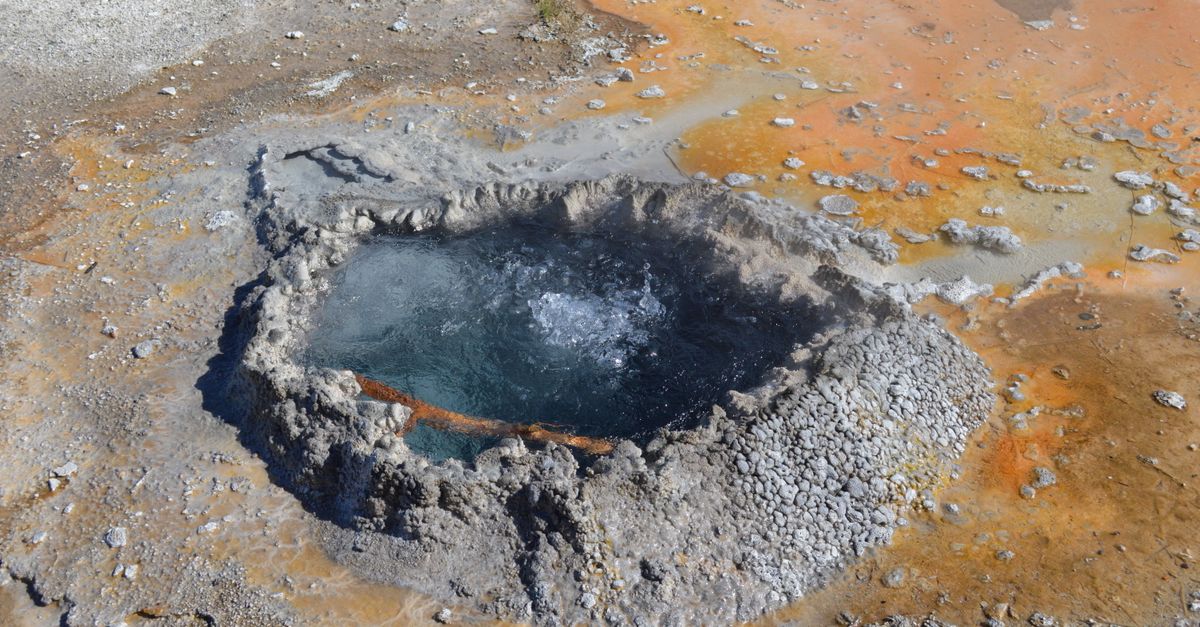
The visual landscape surrounding these springs varies according to location but always delivers the dramatic scenery that makes southern Utah famous worldwide. At springs near Kanarraville, you’ll soak with ancient lava flows as your backdrop, the black rock contrasting sharply with the blue-white steam rising into a brilliant desert sky. Springs along the Markagunt Plateau offer views across high-altitude meadows dotted with ancient bristlecone pines, while those in the lower desert near Snow Canyon State Park present a palette of reds, oranges, and whites that seem almost artificially vivid. Many of the most spectacular springs sit at the intersection of dramatically different geological formations, where basaltic volcanic rock meets sedimentary sandstone in a visual feast that photographers find irresistible. The water itself often carries a milky-blue or turquoise tint caused by dissolved minerals, creating natural jacuzzis of remarkable beauty that look almost artificial against the rust-colored canyon walls.
Planning Your Visit
Reaching southern Utah hot springs requires thoughtful preparation, as many of the most rewarding destinations lie miles from the nearest paved road. From St. George, the drive to Meadow Hot Springs takes approximately 90 minutes along State Route 56 and a series of graded gravel roads that most passenger vehicles can handle in dry weather. Those heading to more remote springs in the Pine Valley Mountains or along the Arizona border should expect rough roads that may require high clearance and occasionally four-wheel drive, particularly after rain or during spring melt. The journey becomes part of the adventure, winding through landscapes that showcase Utah’s remarkable geological diversity while providing opportunities to spot wildlife including desert bighorn sheep, golden eagles, and the elusive desert tortoise.
Bringing the right gear ensures your soaking experience remains comfortable and safe throughout your visit. Essential items include a sturdy pair of water shoes or sandals to protect your feet from the sometimes-rough pool bottoms and hot rocks, along with a quick-dry towel that won’t leave you shivering after your final dip. Many visitors appreciate bringing a small camping chair or pad for sitting beside the pool when the air temperature drops, allowing for that invigorating contrast between hot water and cool desert air. Sunscreen becomes critical during daytime soaks, as the thin desert air provides minimal protection against the Utah sun’s intensity, and many soakers find a wide-brimmed hat essential for protecting their faces during extended sessions. A reusable water bottle helps combat the significant dehydration that desert soaking causes, while a small dry bag keeps your phone and car keys protected from the ever-present red dust.
Safety considerations for desert soaking differ substantially from those at mountain hot springs in other regions. The most critical concern involves staying hydrated, as the dry desert air accelerates fluid loss from your body while the warm water simultaneously increases circulation and metabolic activity. Experienced desert soakers recommend limiting your time in the hottest pools to fifteen or twenty minutes before cooling off in a nearby stream or taking an extended break in the shade, listening carefully to your body’s signals of overheating. Sun exposure requires constant attention, as the combination of water reflection and high altitude creates a double threat that can cause severe sunburn in surprisingly short periods. Those with cardiovascular conditions, high blood pressure, or who are pregnant should consult their healthcare provider before visiting thermal springs at high elevation, as the combination of heat stress and altitude can create complications for susceptible individuals.
Final Thoughts
Southern Utah hot springs represent a convergence of geological fortune and geographical beauty that few places on earth can match. These natural thermal pools, shaped by volcanic forces and millions of years of patient water cycling through ancient rock, offer something increasingly rare in our hyper-connected world: an opportunity for genuine disconnection from the noise of daily life. The red rock cathedrals surrounding these springs create an atmosphere of profound peace, a setting where the only sounds are wind through the canyon walls, the occasional cry of a red-tailed hawk circling overhead, and the gentle lapping of mineral-rich water against sun-warmed stone. Whether you spend an afternoon at a developed resort or an entire weekend reaching remote backcountry pools accessible only to determined adventurers, southern Utah’s hot springs promise memories that will stay with you long after the mineral scent has washed from your hair. Respect the fragile desert environment by packing out everything you bring, stay on established trails to protect cryptobiotic soil crusts, and never leave trash of any kind behind. The next visitor, whether a local or a traveler from halfway around the world, deserves to find these springs as pristine and magical as you did.