Verde Hot Springs Arizona: Your Ultimate Desert Soaking Guide
Field-verified hot spring guides for Utah, Nevada, and Arizona.
- June 30, 2026
- 7 mins
- Hot Springs
- arizona priority spring profile
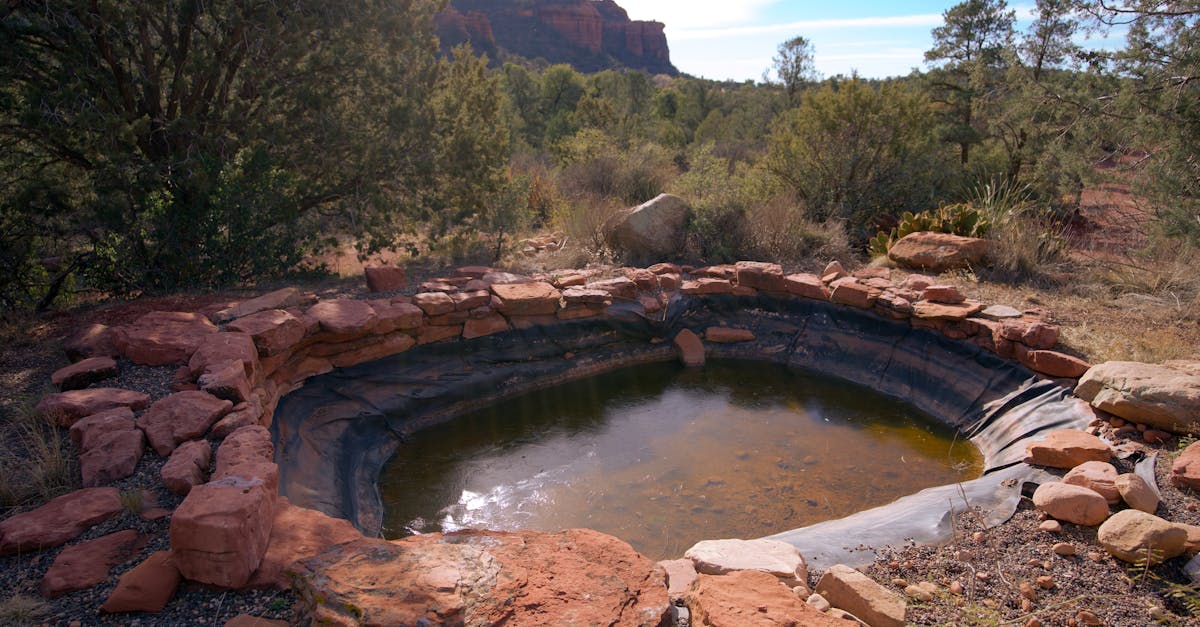
Photo by Strange Happenings via Pexels
Verde Hot Springs represents one of Arizona’s best-kept secrets, a place where the earth’s inner heat meets the pristine waters of the Verde River to create an soaking experience unlike any other in the Desert Southwest. The moment you lower yourself into these mineral-rich waters, surrounded by towering sycamores and volcanic cliffs stained copper by millennia of mineral seepage, you understand why travelers make the rugged journey to reach this remote sanctuary. The springs have drawn humans to this corridor for thousands of years, and their appeal shows no signs of diminishing for modern visitors seeking genuine disconnection from the digital world.
Verde Hot Springs Arizona
The Verde Hot Springs Arizona destination sits approximately forty miles southeast of Prescott, where the geology tells a story written in molten rock and ancient fault lines. The area sits along the Prescott Frontier, where the transition zone between the Colorado Plateau and the Basin and Range Province creates the perfect conditions for geothermal activity. Volcanic activity from the surrounding Bradshaw Mountains left behind porous, fractured stone that allows groundwater to percolate deep into the earth, where heat from the planet’s mantle raises temperatures to therapeutic levels before the water naturally rises back to the surface.
Access to the springs requires patience and a vehicle capable of handling rough Forest Service roads. From Prescott, travelers head south on Highway 89 before turning east onto Forest Road 105, locally known as the Verde Canyon Road. The twelve-mile journey following the windings of the Verde River alternates between graded dirt and genuinely rough sections that demand low clearance and ground clearance in equal measure. Summer monsoons can leave deep ruts that require high-clearance four-wheel-drive vehicles, while the route transforms into a relatively smooth experience during dry autumn and spring months. The journey itself becomes part of the ritual, separating those genuinely seeking solitude from casual day-trippers.
The best time to visit Verde Hot Springs Arizona depends entirely on your tolerance for company versus comfort. Winter months, particularly December through February, offer the most privacy as temperatures in the high desert drop into the thirties and forties overnight, making the warm waters feel absolutely essential for survival. Summer brings crowds and heat that can make the thirty-mile drive feel interminable, though afternoon thunderstorms occasionally provide dramatic entertainment. Spring and fall deliver the most comfortable temperatures for the approach drive and the riverside campgrounds, though these seasons draw larger numbers of visitors seeking the same ideal conditions.
The springs themselves consist of multiple pools positioned along the riverbank, ranging from natural rock formations carved by centuries of water flow to rudimentary concrete structures installed by early twentieth-century resort operators. Water emerges from the ground at approximately 106 degrees Fahrenheit, cooling to more pleasant soaking temperatures in the larger pools where the Verde River’s flow provides constant mixing. The mineral content includes significant concentrations of calcium, magnesium, sulfate, and sodium, creating water that leaves a distinctive feeling on the skin and a subtle mineral aroma that permeates the riverside air.
What to Expect
Upon arrival, visitors immediately notice the distinctive smell of sulfur and iron that characterizes these geothermally heated waters. The mineral scent mingles with the scent of cottonwood trees and the earthy dampness of the riverside environment, creating an olfactory signature that becomes synonymous with the experience itself. The water carries a slight greenish tint from copper deposits in the surrounding volcanic stone, though clarity remains excellent in the deeper pools where the river current provides continuous renewal.
Water temperatures at Verde Hot Springs fluctuate based on season, rainfall, and which specific pool you choose for soaking. The uppermost pool, closest to the natural spring emergence point, maintains temperatures between 100 and 106 degrees regardless of external conditions. Mid-level pools range from 95 to 102 degrees, offering more flexibility for extended soaks without the intensity of the source pool. Lower pools nearest the river mix with cold groundwater and river water, creating temperatures that might reach only 85 to 92 degrees during cooler months. Most experienced soakers recommend beginning in the hottest pool to warm core temperatures before moving downstream to cooler sections for alternation between hot and cold exposure.
Facilities remain deliberately minimal, reflecting both the remote location and the philosophy that genuine wilderness soaking requires accepting wilderness conditions. Vault toilets serve the main soaking area, and visitors must pack out all garbage without exception. Several informal campsites occupy the surrounding forest, offering overnight stays within walking distance of the pools. The nearest developed amenities sit in Camp Verde, approximately twenty miles south, where gas, supplies, and additional lodging options become available.
The surrounding landscape rewards exploration beyond the immediate hot springs area. Ancient petroglyphs dot cliff faces within hiking distance, left by the Sinagua people who inhabited this region between 700 and 1400 CE. The Verde River itself supports healthy populations of bald eagles, great blue herons, and occasional river otters that visitors might spot while cooling off in the current. The canyon walls display dramatic examples of columnar basalt formed when ancient lava flows cooled and contracted, creating the distinctive hexagonal stone formations that frame the soaking area.
Planning Your Visit
Proper preparation separates an enjoyable Verde Hot Springs excursion from a miserable stranded-in-the-desert situation. Vehicle preparation begins with ensuring your automobile or truck has adequate fuel capacity for the round trip of at least one hundred miles from the nearest major town. Spare tires prove essential on the rocky Forest Service roads, and bringing at least two gallons of additional water for your vehicle’s radiator demonstrates wisdom earned through countless roadside breakdowns in this remote country.
What to bring extends far beyond the obvious towels and swimsuits. Sun protection ranks as critical regardless of season, as the canyon walls reflect sunlight even on cloudy days. Sturdy water shoes protect feet from the uneven rocky bottom and from the surprisingly cold patches where groundwater seeps into the river. A waterproof bag keeps electronics and dry clothes protected during river crossings and accidental submersions. Mosquito repellent becomes necessary during summer evenings when the river corridor hosts significant insect populations. Flashlights or headlamps prove essential for navigating the rocky path to the pools during pre-dawn or evening soaks when you want to watch sunrise or stargaze from the warm water.
Safety considerations for desert soaking at Verde Hot Springs demand serious attention before departure. Cell phone coverage does not exist in this canyon, making communication with emergency services impossible without satellite communication devices. Heat exhaustion and dehydration can develop rapidly even in cooler months, especially during the physical exertion of the rough road drive. The combination of hot water and alcohol creates genuine danger, and experienced visitors strongly recommend sobriety during soaking sessions. Water levels in the Verde River fluctuate dramatically with seasonal snowmelt and monsoon storms, occasionally flooding the lower soaking pools entirely or creating hazardous current conditions that demand respect.
The drive itself warrants its own safety precautions beyond vehicle preparation. Never attempt the Forest Service road after dark on your first visit, as navigation becomes genuinely difficult without landmarks. Inform someone of your plans, expected return time, and precise destination before departing from civilization. Carry physical maps as backup to GPS navigation, which frequently fails in this mountainous terrain. The nearest emergency services reside in Prescott or Camp Verde, potentially an hour or more from the springs under the best circumstances.
Conclusion
Verde Hot Springs offers something increasingly rare in our hyper-connected age: genuine solitude in a setting of profound natural beauty, where the only sounds compete with your own heartbeat. The springs demand effort to reach, require acceptance of primitive conditions, and reward those who arrive prepared with an experience that lingers in memory long after the mineral scent has washed from your skin. Respect the remote nature of this Arizona treasure by leaving no trace of your presence, traveling with appropriate caution on the challenging roads, and approaching the thermal waters with the reverence they deserve. The Verde River has flowed through this canyon for millions of years, and the waters that emerge hot from the earth have sustained humans for millennia. Treat this place as the gift it represents, and it will gift you something no luxury spa ever could: authentic connection with the raw, healing power of the Desert Southwest.